0
All Posts By

Average Adman

The Average Adman is a creative consultancy disguised as a parody. We promise absolutely nothing original — and deliver it with polish. Mission: To mock the sameness of the ad industry until we’re numb enough to stay in it.

Confessions of an Average Adman

By Personal JourneyNo Comments

From Stock Image to Storyteller
(An unauthorized remake of a book nobody reads anymore)


Confession 1: I Looked the Part Before I Knew the Lines.

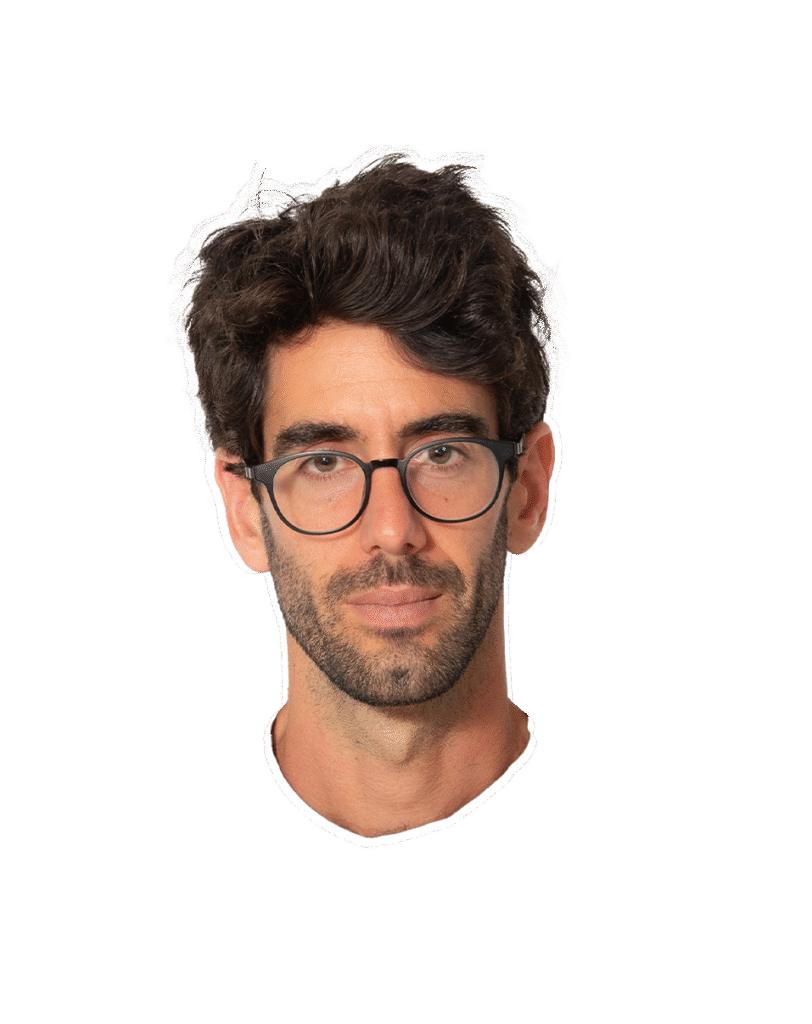
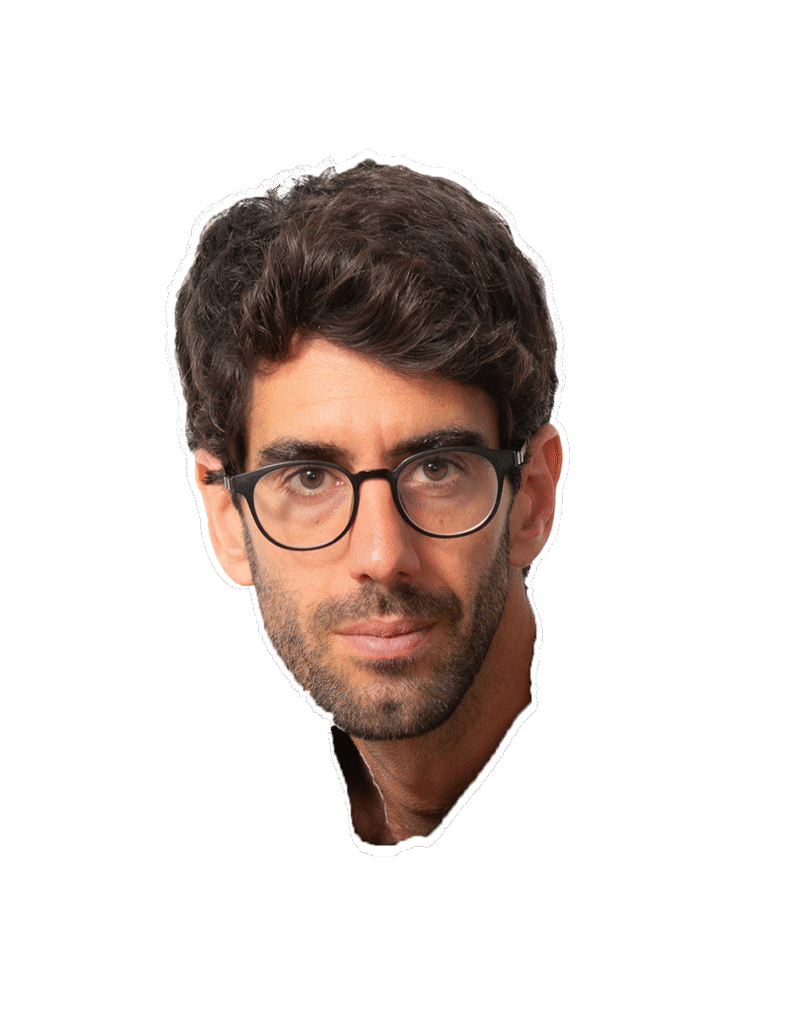
Long before I had a voice, I had the uniform. Stock glasses. Stock smirk. Stock “creative” headshot—shot against a brick wall, obviously. I looked like I had ideas. I didn’t. But I could quote Ogilvy. And in this industry, that’s halfway to thought leadership.


Confession 2: I Didn’t Know What I Was Doing. So I Made a Deck About It.

My early ideas were… bad. Like “rebrand peanuts for Gen Z” bad. Then a famous brand did it for real but that didn’t make the idea better. What I learned was that confidence matters more than craft. So I made slides. Lots of slides. Slides with arrows and visuals. Visuals are key. And slides with purpose statements that made people cry (or at least blink slowly).

Every time I felt lost, I’d write “insight-led, culturally resonant, emotionally compelling.” No one ever asked what it really meant. And we all kept dancing along.


Confession 3: I Wasn’t Breaking Molds. I Was Downloading Templates.

Every “brave” campaign I pitched had three references from the same Cannes shortlist. Every “original” strategy had the same three buzzwords. I thought I was shaping culture. Turns out, I was recycling decks from last year with slightly newer fonts. And still, I got promoted.

Because in advertising, you either stand out or stand in the right room long enough to blend in strategically.


Confession 4: The Real Turning Point (Was a Google Drive Folder).

It wasn’t a burn out. It wasn’t a post by David Trott.  It wasn’t a shooting in South Africa. It was opening a folder titled “Final_Final_V37_FORREAL_THISONE.pptx”. Inside: 46 decks. Same case studies. Same fonts. Same “bold” ideas.

And this is how it quietly hit me: That wasn’t storytelling. It was stock-piling. A Pinterest board of recycled cleverness.


Confession 5: I Found My Voice When I Lost My Pitch.

One day, the client didn’t bite. One of many but this one hit a chord. Not because the idea was too risky but because it was exactly like the last three they’d seen.

The silence that followed wasn’t defeat. It was relief.


Confession 6: I Still Look Like a Stock Image. But Now I Write My Own prompts in Chat GTP.

Let’s be honest: I’m still The Average Adman. I still wear black. Still quote Droga (ironically now). Still get excited about ad campaigns that make no sense but look great on Instagram. But something changed: Now I know it’s a costume. I might forget at times but still, it feels good to make fun of myself.

Because the truth is:
Every adman wants to stand out.
But the boldest thing I can do in this industry today?

Embrace I’m just like the rest.
And say it out loud.

And just like this, I’ve written a new post.

And just like this, I share the link to the Average Adman Pride Store.

The World is Broken. Your Brand Should be Trying to Fix It.

By Brand Purpose & ResponsibilityNo Comments

CRITICIZING PURPOSE IS SO AVERAGE ADMAN, I MADE A POST ABOUT IT.

Warning: this post openly contradicts Average is Killing us. On purpose.


The planet’s melting. Democracies are glitching. Billionaires are launching themselves into space while your cousin can’t afford rent. And somewhere in the middle of this dystopian musical… your snack brand drops a climate-positive tortilla chip.

Because in the face of global collapse, what we need isn’t policy or action.
It’s branded content. Short-form. Optimized. Shot in 4K with subtle lens flares and a whispered voiceover that says: “We believe in better.”

Humanity is crumbling under environmental, societal, and economic pressure…
and brands are showing up with moodboards. Ticking boxes. Chasing KPIs. Launching Purpose like it’s a limited-edition product drop.

And sure, some brands do try: Patagonia. Dove. Ben & Jerry’s.
The Holy Trinity of Case Study Slides.

But for every one of them, there are a thousand others trying to solve systemic inequality with a seasonal hashtag and a DE&I panel moderated by their Head of HR.

We keep saying brands have power. That they should lead society toward change. But most can’t even lead their own creative approval process without a nine-person Zoom and a six-week delay.

Still, the narrative persists (purpose is not fully dead): “Your brand can be a catalyst for good.” Translation: Make it look like you care but not enough to scare shareholders.

Because real change?

That’s hard.
It’s messy.
It’s not A/B tested.

Want to change the world? Start by paying your interns. Then maybe don’t brief your creative team to solve racism in 48 hours with a stock image and a pun. And if you are a brand… whatever. I won’t say anything, I still need your money.

But let’s be honest:

Half of us only discovered social issues existed when your intern suggested a Pride post in 2018.

But now?
You’re here to save the world.
One climate-positive oat milk collab at a time.

Unless your brand is doing more than launching a new SKU with a recycled manifesto… you’re not fixing anything. You’re cosplaying impact.

We don’t need more brands pretending to be saviors.
We need fewer pretending they’re not part of the problem.

But still, in my next brief, I’ll probably drop another Purpose Capsule.
Call it Hope 2.0.
Put it on a tote bag.
Sell it for €168.
(visit store for actual price)

Because if the world’s going down…
you might as well monetize the fall.

So sure, I’ll slap a purpose line under my logo. It’s cheaper than therapy.

And then what happened? As I finish “writing” this article. Chat GTP asks: Do you want me to write a new article titled How to Save the World in 6 Paid Posts or Less”? I say yes!

The Aesthetic of the Bold, Brave and Different

By Advertising Industry SatireNo Comments
Or Why Every Brand Trying to Zig Ends Up in the Same Moodboard.


This is not an article.
It’s a borderline pretentious discourse
disguised as cultural exorcism.
Let us begin, as all self-proclaimed
brave campaigns do, with a manifesto:
What was the last ad that shook you?
Not entertained you.
Not impressed you.
Shook you.
Really shook you.
Hard to name one.
Because the boldest, bravest, most different things
don’t happen in adland.
They happen in life.
A parent dies.
You have a baby and lose yourself.
You’re fired.
You’re cheated on.
You slip into poverty.
You sit on a 2am bus after a shift with no end.
You nurse a parent who no longer knows your name.
You collapse. No one claps.
These are the things that rip you open.
Not an ad.
No matter how hard it tries.
Advertising was never meant to compete with that.
It was meant to perform.
To build salience.
Create memory.
Move units.
That’s why the aesthetic of bold, brave and different isn’t a reality.
It’s a performance.
Once, we had gorillas playing drums.
Horses riding the sea.
Yellow puppets selling jeans.
Meerkat puppets.
But…
Apple’s puppets?
Virgin’s riding animals??
AI gorillas with selfies sticks???!
That’s how boldness becomes an aesthetic:
A repeatable palette of ideas, jokes and styles.
Bravery turned into choreography.
Different turned into the same Different.
If your brand looks like it might have opinions, it gets applauded.
Even if the opinion is just: “We see you.”
(The legal team sees you too.)
Innovation moved elsewhere.
Into the font.
The illusion of edge.
The gravel added to the VO.
What remains isn’t a campaign.
It’s a cultural dress rehearsal.
This isn’t creativity.
It’s creative cosplay.
Brands aren’t taking risks.
They’re too scared to be ugly.
Too polished to be real.
And the industry knows it.
It’s full of exhausted insiders
who know exactly what gets approved.
People who had their genuinely brave ideas killed often enough
to learn a safer kind of different.
So they pitch what clients buy.
What juries nod at.
What gets 59 LinkedIn likes by Monday.
(Hey, I know this isn’t your case. I’m just projecting my own shit
onto the world. Bear with me… or don’t. All good, either way.)
We systematized creativity.
Optimized it.
Built a loop that feeds itself better than it feeds us.
Together, this turns boldness into an illusion.
Everyone’s playing the game.
Even the rebels.
Especially the rebels.
The result?
Predictable edginess.
Prefab provocation.
Safe danger.
Manufactured chaos.
Like the kind I’m recreating here.
And no. AI didn’t kill creativity.
It just held up the mirror:
We’ve been machines for years.
Our visual grammar is so templated, so echo-chambered,
that a machine can now recreate an entire
2025 Cannes pitch deck in seconds.
And this changes nothing.
The industry will keep prompting what worked.
Clients will approve what they’ve seen.
The aesthetics of boldness, bravery and difference
will be absorbed, flattened and mass-produced.
AI just lowered the cost of pretending.
But don’t blame the machine.
Blame the hunger.
The scarcity mindset behind all this yelling.
The belief that if we don’t cry louder, we won’t be fed.
Because that’s the real aesthetic of boldness.
Not edge.
Fear.
We perform boldness because we fear invisibility.
We perform bravery because we fear irrelevance.
We perform difference because we fear replacement.
What do scared people do?
They scream.
We are professionalized crying.
Brands yelling louder, hoping someone, anyone, looks their way.
Let’s continue this dissertation:
(yes, I don’t really know what I’m doing and I’m slightly ashamed).
So, many brands aren’t just scared.
They don’t even know who they are.
So they outsource personality to aesthetics and call it identity.
They borrow codes.
Pay agencies to find a “tone.”
And most products don’t matter.
Sugared water.
Edible foam.
Energy drinks in a world already exhausted.
We’re asked to sell things with
no intrinsic difference from the thing beside them.
So we paint them.
Wrap them.
Choreograph them into meaning.
Advertising doesn’t sell products anymore.
It sells excuses for their existence.
That’s what makes the Average Adman.
Not a person.
A process.
He’s the inevitable byproduct of
the aesthetic of the Bold, Brave and Different.
He saw the broken mirror too late.
Mid-career.
Already trapped in the circus.
So he stays.
And performs.
And this article?
It’s part of the show too.
Just another baby crying —
hoping mum looks this way.
— The Average Adman
Adjunct Professor of Scented Puppetry
Dean of the Faculty of Crying Louder Than the Other Baby
Guest Lecturer at the School of Algorithmic Repetition